Nuclear in the FLX
Watch the forum we held on 4.9.26
TELL SCHUYLER COUNTY: NO NUKES IN THE FLX
SIGN AND SHARE TODAY:
Facebook feed
From Facebook


In a powerful new op-ed, she reminds the governor that Mother Earth is the first mother. She writes about aging nuclear facilities that were built without Haudenosaunee consent and run well past their intended lifespan, and about contaminated sites like West Valley that already poison Seneca waters today. As she puts it, these are not risks. They are lived realities.
She also offers a piece of history worth remembering. The suffragists at Seneca Falls in 1848 saw what equality could look like because Haudenosaunee women were already living it. Hochul stands where she stands, in part, because of that example. The least she can do is consult the people whose homelands are at stake and listen to their warnings about nuclear.
Her message to New Yorkers is: No new nuclear in New York. Not on Haudenosaunee homelands. Not on anyone’s.
Read Rene’s full op-ed in The Buffalo News: bit.ly/MomNoNukes
#NoNewNuclear #Haudenosaunee #TuscaroraNation #CLCPA #ClimateJustice #NewYork #MotherEarth
Seneca Lake Guardian
Protect the Finger Lakes for Future Generations
Public Education | Citizen Participation | Engagement with Decision Makers | Networking with Like-Minded Organizations
Join us in understanding the urgent threats facing the Finger Lakes and take action to protect our land and waters. Industrial projects, pollution, and harmful development put our region’s health, economy, and way of life at risk. At Seneca Lake Guardian, a Waterkeeper Alliance Affiliate, we believe that protecting our lakes is a shared responsibility—one that requires awareness, advocacy, and community partnership. We are the only organization dedicated to actively working to protect the Finger Lakes from dirty industrial projects that could threaten the health of our lakes, our rural community character, the Finger Lakes Brand, or the livelihoods of the small business owners who depend on the lakes for their success. Together, we can defend the Finger Lakes from environmental harm and ensure they remain clean, vibrant, and thriving for generations to come. Be a part of the movement to safeguard our waters—because once they’re gone, there’s no turning back.
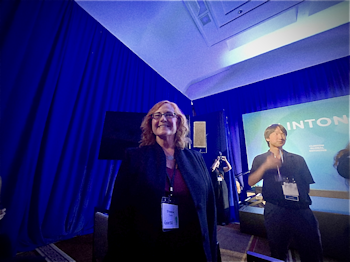 National Recognition Seneca Lake Guardian Vice President, Yvonne Taylor, was recently recognized as “one of the most influential climate leaders in the country” by Grist 50 for her work to protect the region and educate communities across the country on issues of solid waste, cryptomining and AI/ Data Centers. What makes this recognition especially meaningful is that it shines a national spotlight on the work Yvonne and Seneca Lake Guardian are doing, not only in New York State, but across the country. This recognition underscores the transformative impact of your support: together, we are shaping environmental policy, inspiring statewide and national movements, and proving that grassroots action can take on powerful industries and win.
A quote from Yvonne to celebrate this moment: “I’m truly humbled and honored to be recognized among so many incredible leaders. This award belongs just as much to our amazing team, our collaborators, and the community members who have stood shoulder-to-shoulder with us to create lasting change and inspire me every day. I remain committed to working tirelessly for a healthier, more sustainable future – for my neighbors in the Finger Lakes, for the people of New York, and for communities across the nation.”
We invite you to celebrate this achievement with us and continue standing alongside Yvonne and our team by donating today- so that we can continue to protect what matters most
Seneca Lake Guardian is a New York State Not-for-Profit Corporation with 501(c)(3) status. It is dedicated to preserving and protecting the health of the Finger Lakes, its residents and visitors, its rural community character, and its agricultural and tourist-related businesses. This is achieved through public education, citizen participation, engagement with decision-makers, and networking with like-minded organizations.
Urge The Town Of Torrey (where the Greenidge Crypto facility is located) To Adopt A Moratorium On Data Centers!
HERE'S WHY WE NEED TO ACT:
Even though the Governor signed an executive order on certain data center development, it is unclear whether the Greenidge facility would be included. Greenidge recently announced a rebranding to Vulcan (see article) and is looking to pull an additional 260 megawatts from the grid to immediately build out a data center at its Seneca Lake location. This would effectively triple its energy consumption for bitcoin and artificial intelligence operations. With the weak executive order it’s imperative that we come together to speak out against the Greenidge expansion.
Here are more details:
WHAT IS PROPOSED:
New Name, Same Infrastructure: Greenidge Generation LLC, the gas fueled power plant along the shores of Seneca Lake, is changing its name to Vulcan Infrastructure and Power as it pivots from Bitcoin mining to an AI Data Center (Article). Not only are they currently capable of producing 106 megawatts of power at the gas plant, but now they are also requesting to draw an additional 260 megawatts from the grid, effectively tripling its energy consumption for crypto and artificial intelligence computing power.
WHY YOU SHOULD CARE:
This is a bipartisan issue. Small towns across the US- both conservatives and progressives- agree that the construction of Hyperscale data centers must be paused until we understand completely how this will impact all of us. Greenidge’s Title V Air Permit was already denied because it violated New York’s Climate Law. That decision was upheld three times in a court of law until Governor Hochul reversed the decision and green-lighted Greenidge’s continued operations. This has emboldened Greenidge to expand into an artificial intelligence hyperscale data center on site.
HIGHER ELECTRIC BILLS FOR US
A data center’s massive energy use could destabilize our energy grid and increase our electric bills.
MORE NOISE:
Additional machinery and cooling needs could increase the noise levels, disrupting our peaceful way of life.
OUR HEALTH:
Greenidge is already raining toxins like lead, mercury, formaldehyde over our homes, farms, vineyards and lake. Light pollution negatively impacts our night skies with bright flood lights. Additional noise has negative health implications for both humans and animals.Greenidge/ Vulcan already draws up to 139 millions of gallons of Seneca Lake water daily and dumps it back hot at up to 108 degrees Fahrenheit. Expansion could exacerbate all of these impacts.
FEW JOBS,
Risk To Our More Sustainable Jobs: Companies try to lure towns into permitting these facilities with the promise of tax breaks and jobs, but states’ own analyses show that very few permanent jobs are actually created.This kind of industrialization flies in the face of our driving economic engine in the region: agriculture, wineries and tourism - threatening these vital jobs with little to no benefits to the area.
DECREASED PROPERTY VALUES:
Noise and light pollution, potential harms to Seneca Lake, and unsightly industrialization can decrease our property values.